
The top 10 skills behind finance and accounting outsourcing in India are transforming how businesses manage costs, accuracy, and efficiency.
Table of Contents
The US market offers opportunities across many industries for skilled Indian accountants, including tech startups, healthcare, real estate, construction, and professional services.
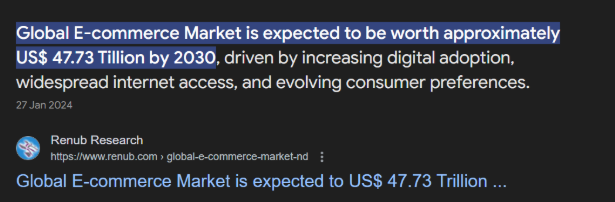
There are 28 million e-commerce websites worldwide, and nearly half of them are based in the United States.
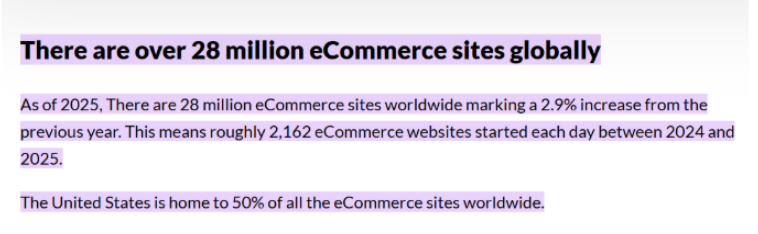
Within this ecosystem:
- There are 2.9 million Shopify stores in the US alone
- Hundreds of thousands of Amazon sellers operate online businesses
- Millions of transactions happen every day across multiple platforms
Every one of these businesses needs someone to handle their finances including bookkeeping, payment reconciliation, inventory tracking, sales tax mapping, and month-end financial reporting.
However, there is a major challenge in the market.
US-based bookkeepers typically charge $50–$70 per hour, which many small and mid-sized e-commerce businesses cannot afford.
At the same time, local accounting talent in developed economies is expensive. Many of the most skilled professionals work at large firms, consulting companies, or major corporations, leaving small businesses searching for affordable accounting support.
This is where Indian accountants have a significant advantage.
Many e-commerce sellers are open to hiring remote bookkeepers for around $1000 per month to manage their finances.
Yet many Indian accountants hesitate to apply because they believe US accounting is too difficult.
In reality, if you already understand basic accounting principles, there are only a few additional skills required to work with e-commerce businesses.
Let’s explore the top 10 skills Indian accountants need to work successfully with US e-commerce brands.
1. QuickBooks Online Mastery
Most US e-commerce businesses use QuickBooks Online (QBO) as their primary accounting system.
Accountants who know how to:
- Set up a Chart of Accounts
- Create and manage bank rules
- Automate transaction categorization
- Perform accurate bank reconciliations
can quickly become valuable to e-commerce clients.
2. Amazon & Shopify Settlement Accounting
One of the most critical skills in e-commerce bookkeeping is understanding settlement accounting.

Platforms like Amazon and Shopify do not transfer the full sales revenue directly to sellers. Instead, they release payouts after deducting:
- Platform fees
- Refunds
- Chargebacks
- Advertising costs
Accountants who know how to decode these settlement reports and record them properly provide significant value to e-commerce businesses.
3. A2X Automation
A2X is a popular automation tool used in e-commerce accounting.
It connects platforms such as:
- Amazon
- Shopify
directly to accounting software like QuickBooks Online.
A2X helps automate revenue recognition and cost of goods sold entries, reducing manual work and improving accuracy.
Many accountants are unfamiliar with this tool, so learning it can provide a strong competitive advantage.
4. Payment Gateway Reconciliation
E-commerce businesses often receive payments through multiple gateways.
Some of the most common ones include:
- Stripe
- PayPal
- Payoneer
- Razorpay
Reconciling these payment systems properly ensures that every transaction is accounted for and financial reports remain accurate.
Accountants who manage payment gateway reconciliation effectively become essential to their clients.
5. Inventory Accounting (FBA + DTC)
Inventory management is a crucial part of e-commerce accounting.
Accountants working with online businesses must understand:
- FIFO inventory valuation
- Landed cost calculations
- Lost or damaged inventory tracking
- SKU-level margin analysis
Professionals who understand inventory accounting often move beyond bookkeeping and become strategic financial partners for businesses.
6. US Sales Tax Mapping
Sales tax rules in the United States can be complex, especially for online sellers operating across multiple states.
However, accountants supporting e-commerce businesses mainly need to understand how sales tax is collected across platforms.
Important concepts include:
- Marketplace facilitator rules
- When platforms collect sales tax on behalf of sellers
- When sellers are responsible for collecting and reporting tax
Understanding these rules helps prevent common accounting errors.
7. Multi-Channel Reconciliation
Many e-commerce businesses sell across multiple channels simultaneously.
For example, a brand may sell through:
- Amazon
- Shopify
- PayPal
- Stripe
Accountants must ensure that revenue is recorded correctly across these systems and that transactions are not counted multiple times.
Accurate multi-channel reconciliation ensures reliable financial reporting.
8. Month-End Closing for E-Commerce
Month-end financial closing is one of the most requested services among e-commerce founders.
Businesses rely on accountants to prepare:
- Clean Profit & Loss statements
- Accurate Balance Sheets
- Reliable financial reports for decision-making
Accountants who consistently deliver accurate month-end reports can build long-term relationships with e-commerce clients.
9. KPI Reporting
E-commerce founders care deeply about performance metrics that help them grow their businesses.
Important key performance indicators include:
- Contribution margin
- Customer lifetime value (LTV)
- Blended ROAS
- SKU-level profitability
Accountants who can translate financial data into clear business insights become more valuable to founders than those who only perform bookkeeping tasks
10. Client Communication
Technical accounting knowledge is important, but communication often determines whether clients stay or leave.
Many successful remote accountants communicate with clients using tools such as:
- Loom video updates
- Slack communication
- ClickUp task management
Clear and consistent communication helps maintain trust and ensures smooth collaboration with international clients.
Why This Opportunity Matters
If an accountant develops these 10 skills, they can support almost any e-commerce business operating in the United States.
With millions of online stores selling products every day, there is a growing demand for professionals who understand the financial side of e-commerce operations.
For Indian accountants, this represents an opportunity to work with global businesses and apply specialized skills in a rapidly expanding industry.
Real Example: Building a Global Accounting Firm
Many accountants are already building international careers by serving global clients.
For example, one student built a ₹5 Lakh per month global accounting firm, even after facing several setbacks during the early stages of their journey.
You can watch their story here:https://www.youtube.com/watch?v=05KQCam6OqM
Stories like this highlight how developing the right skills and understanding global markets can open new professional opportunities.





 Allow notifications