


India’s boardrooms have a vacancy problem, and it’s a massive opportunity for you.
Table of Contents
With over 45,000 eligible companies legally required to appoint independent directors, and only a fraction of qualified candidates available, the gap between demand and supply has never been wider. If you’re a senior professional wondering how to become an independent director in India, this guide is your roadmap.
In this article, you’ll learn exactly why this opportunity exists, what the numbers say, and how you can take your first step toward a prestigious board career, even without celebrity connections or a big name network.
| 45,000+Companies need independent directors | 30,000+Immediate shortage of directors | 1 Lakh Independent directors needed by 2030 |
How Many Independent Directors Are Needed in India Right Now?
The numbers paint a clear picture of opportunity:
- 7,500+ listed companies, at least one-third of their directors must be independent. In many cases, SEBI regulations require 50%.
- 20,000+ public companies with a paid-up share capital of ₹10 crore+ must appoint at least 2 independent directors.
- 13,000+ public companies with a turnover of ₹100 crore+ have the same obligation.
- Thousands of public companies with outstanding debt or deposits of ₹50 crore+ also fall under this mandate.
In total, at least 45,000–50,000 eligible companies must appoint board directors today. Assuming each company appoints a minimum of 3 independent directors, that’s approximately 1,20,000 board seats.
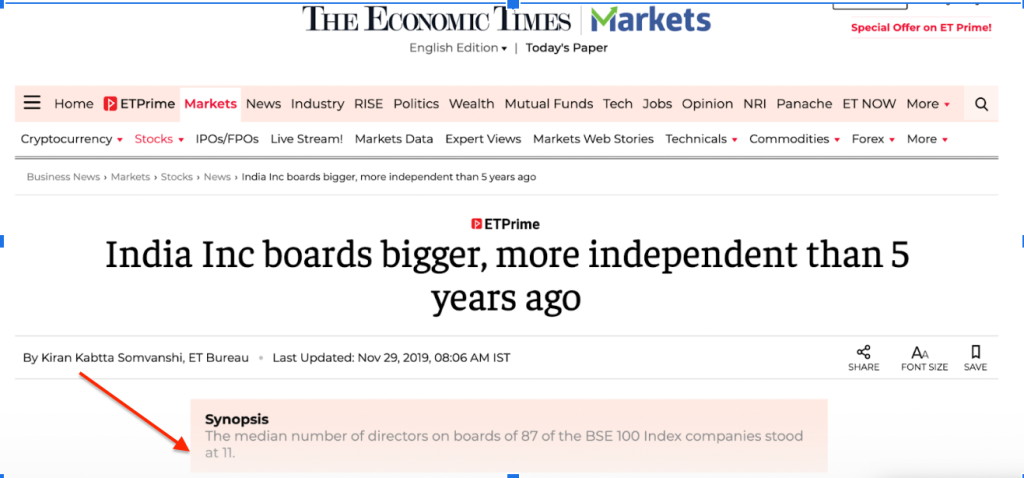
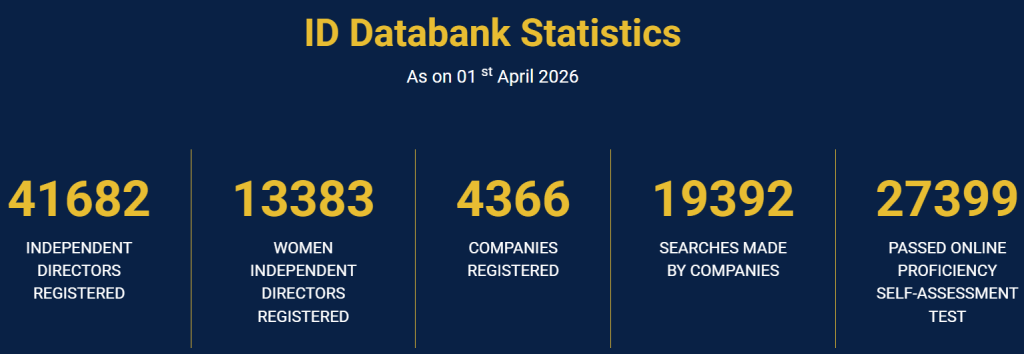
If one board director sits on the boards of 3 companies (the typical maximum), India needs at least 40,000–45,000 qualified individuals. But only 27,399 people have passed the required eligibility exam, and most of them have not built the public credibility or promoter relationships needed to actually secure appointments.
| �� Bottom Line: There is an immediate shortage of 30,000 independent directors in India. Given current growth trajectories, corporate India will need at least 1,00,000 independent directors by 2030. |
Why 2026 Is the Best Time to Become an Independent Director in India
There was never a better time in history to aim for a board seat. A convergence of regulatory changes, India’s economic boom, and a surging IPO market has created a once in a generation demand for independent directors.

India’s Economic Growth Is Fueling Board Vacancies
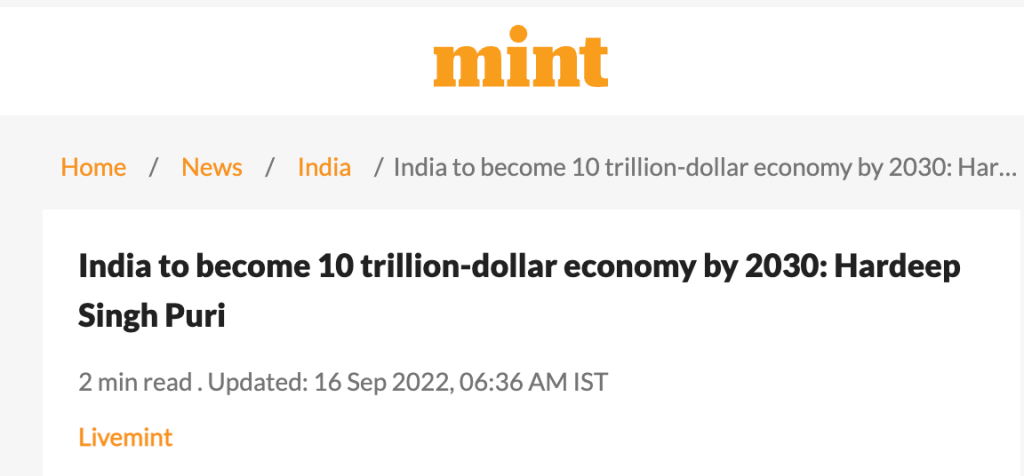
India is projected to become a $10 trillion economy by 2030 and a $20 trillion economy by 2040. This growth directly translates into more businesses, more IPOs, and exponentially more demand for board-level talent. The market capitalisation of India’s stock exchanges is expected to triple in the next 7–10 years, and every new listed company needs board directors by law.
The SME IPO Boom Is Creating a Ladder for First-Time Directors
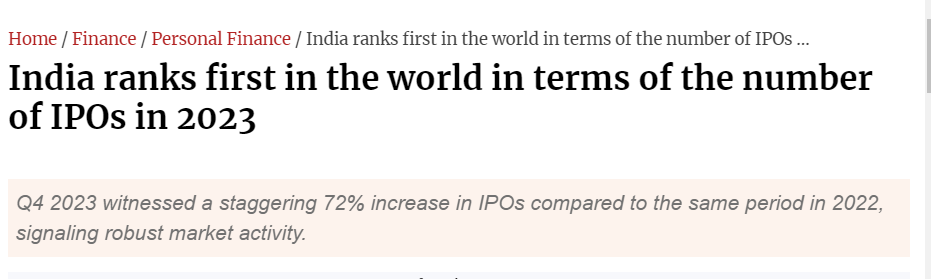
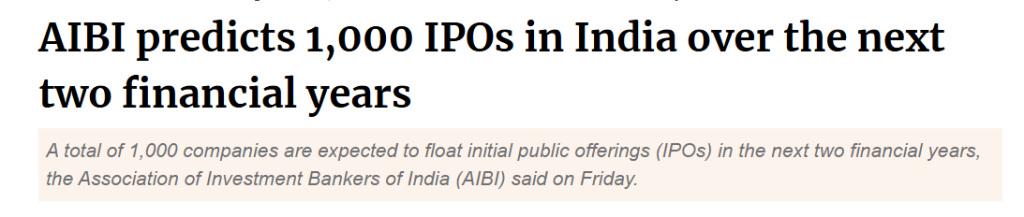
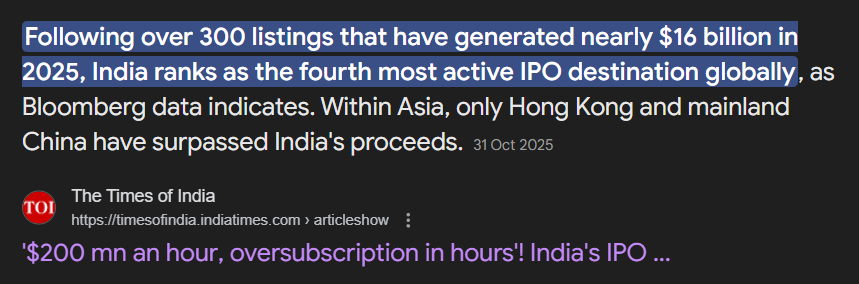
India has already been leading global IPO charts for three consecutive years, driven overwhelmingly by SME IPOs. In 2025 alone, there were 300 new IPOs in India. The Association of Investment Bankers of India predicts 1,000 IPOs will list on the stock market over the next two years.

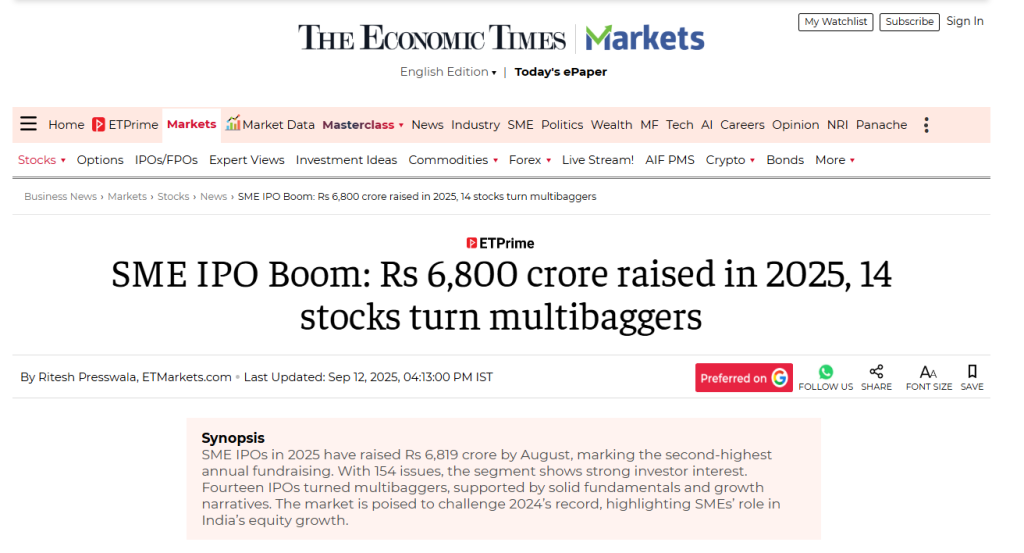
The turnover and profitability requirements for an SME IPO are modest, just ₹30 crore in turnover and ₹3 crore in profitability. With 6.3 crore SMEs in India, and hundreds of thousands registered on the GoI’s GeM portal, virtually every growth-stage SME could become a listed company. Each one will need independent directors.
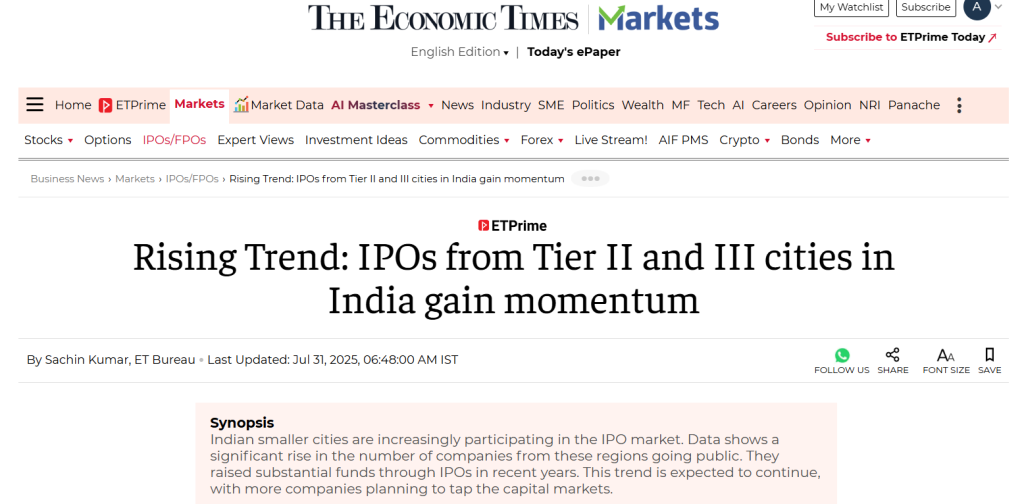
| �� Key Insight: The IPO rush isn’t just from Mumbai and Delhi anymore. 37 companies from Tier-2 and Tier-3 cities raised ₹43,316 crore last year, signalling a nationwide wave of listings. |
A Brand-New Opportunity: MSM REITs (2024 Onwards)
In 2024, SEBI introduced a game-changing regulation: smaller real estate properties worth ₹25 crore and above can now be listed on stock exchanges through MSM REITs (Micro, Small, and Medium Real Estate Investment Trusts).
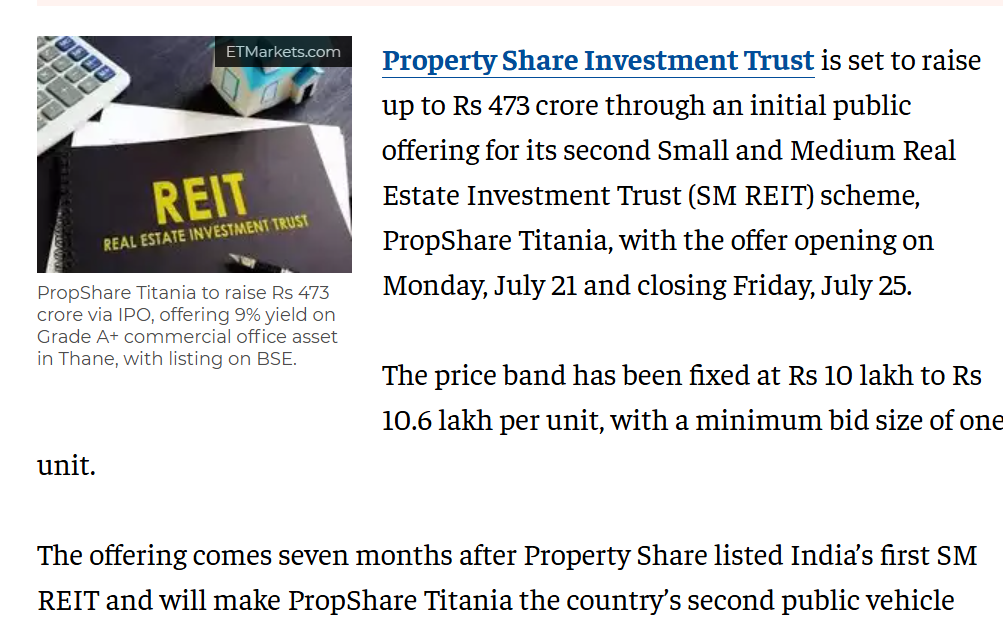
SEBI mandates that 50% of board members in these REITs must be independent directors.

Think of it this way, every commercial building, mall, or office complex in your city could potentially become a listed REIT. With India’s real estate sector expected to hit $10 trillion by 2030, we could see thousands of MSM REIT listings, each needing multiple independent directors.
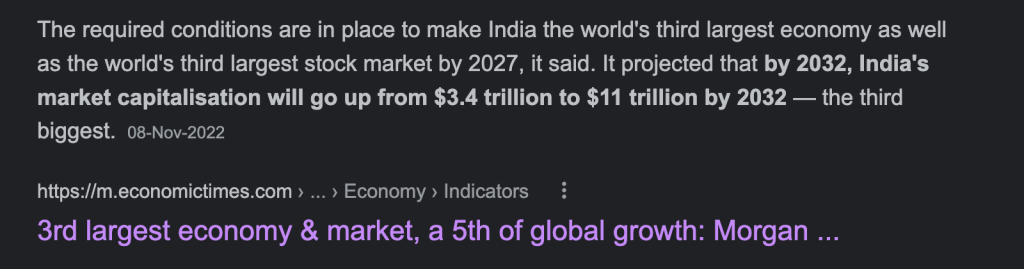
This is an entirely new category of board positions that did not exist before 2024, and it’s only growing.

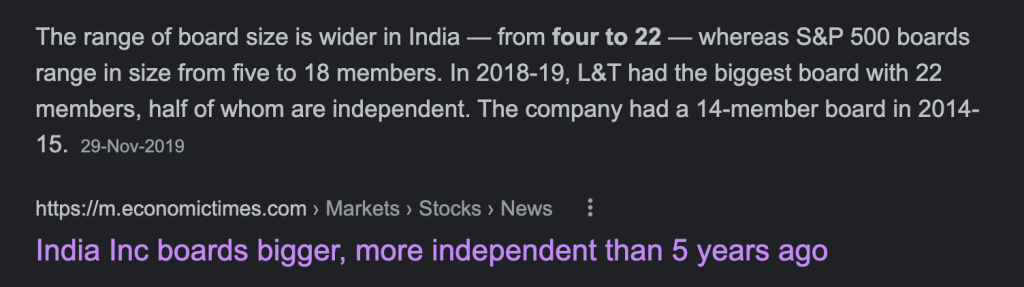
What is the size of the board of a listed company? How many independent directors is it likely to have?
Board sizes of large companies, especially listed companies, typically range from a minimum of 6 or more members, and can go up to 22.
How to Become an Independent Director in India: A Step-by-Step Path
The path to your first board seat is more accessible than most senior professionals think. Here’s how to approach it systematically:

Step 1: Pass the Independent Directors’ Eligibility Examination
The IICA (Indian Institute of Corporate Affairs) conducts a mandatory eligibility exam for board directors. Without clearing this exam, most promoters and executive search agencies will not consider you for a board appointment. It is the foundational step that signals your seriousness about corporate governance.
Step 2: Build Public Credibility and a Board-Ready Profile
Passing the exam alone isn’t enough. Most of the 24,000+ who have cleared it have not built the visibility or relationships needed to land appointments. You need a strong professional brand, on LinkedIn, in industry associations, and in the media, that signals your expertise in governance, risk, finance, or operations.
Step 3: Target SME IPO Boards First
You don’t need to network with Sensex 30 or Nifty 50 promoters to start. SME IPO companies are your entry point. Many of their promoters are people like your former colleagues, vendors, or clients. These boards offer your first appointment, which then becomes the track record needed to move up to larger listed companies.
Leverage Your Edge as a Woman Professional
If you’re a woman, SEBI regulations specifically require listed companies to appoint at least one woman director. Most companies fulfil this mandate by recruiting women in the capacity of board directors. This regulation creates a structural advantage for qualified women professionals seeking board seats.
Frequently Asked Questions About Independent Directors in India
Who is eligible to become an independent director in India?
Any person who is not a promoter of the company, does not have a material or pecuniary relationship with the company, and meets the professional experience criteria laid down under the Companies Act, 2013 and SEBI (LODR) Regulations can become an independent director. Passing the IICA eligibility exam is also mandatory.
How many independent directors can a person sit on at one time?
Under the Companies Act, a board directors can sit on the boards of a maximum of 7 listed companies. In practice, most independent directors serve on 2–3 boards simultaneously, balancing time commitment and governance responsibilities.
What is the remuneration for an independent director?
Independent directors receive sitting fees for attending board and committee meetings, along with a commission that is approved by shareholders. Remuneration varies widely by company size, from a few lakhs for SME boards to several crores for large listed companies.
Is the IICA exam mandatory for all independent directors?
Yes. The Ministry of Corporate Affairs mandates that any person appointed as an board director must pass the online proficiency self-assessment test conducted by the IICA Data Bank, unless they are exempted based on prior board experience or professional qualifications.
Your Most Prestigious Career Chapter Starts Now
India’s boardrooms are actively looking for experienced, credible, governance savvy professionals like you. Whether you’re approaching retirement, recently retired, or simply looking for a high-impact second innings, the role of an independent director offers prestige, influence, financial reward, and a genuine contribution to India’s economic growth story.
The demand is real. The shortage is real. And the SME IPO boom has created a clear, accessible ladder for your first appointment, without needing celebrity connections or big city networks.





 Allow notifications
This breakdown of the independent director opportunity in India is spot on especially the emphasis on the SME IPO boom creating a real pathway for first-time directors. It’s refreshing to see a focus on building credibility and preparing for the IICA exam rather than just networking or connections. The numbers around the shortage and demand really highlight why 2026 is such a pivotal year for professionals looking to step into board roles.