Did you know most academic papers get rejected the first time they’re submitted?
That’s not necessarily because the research is weak, but because authors fail to anticipate reviewer objections.
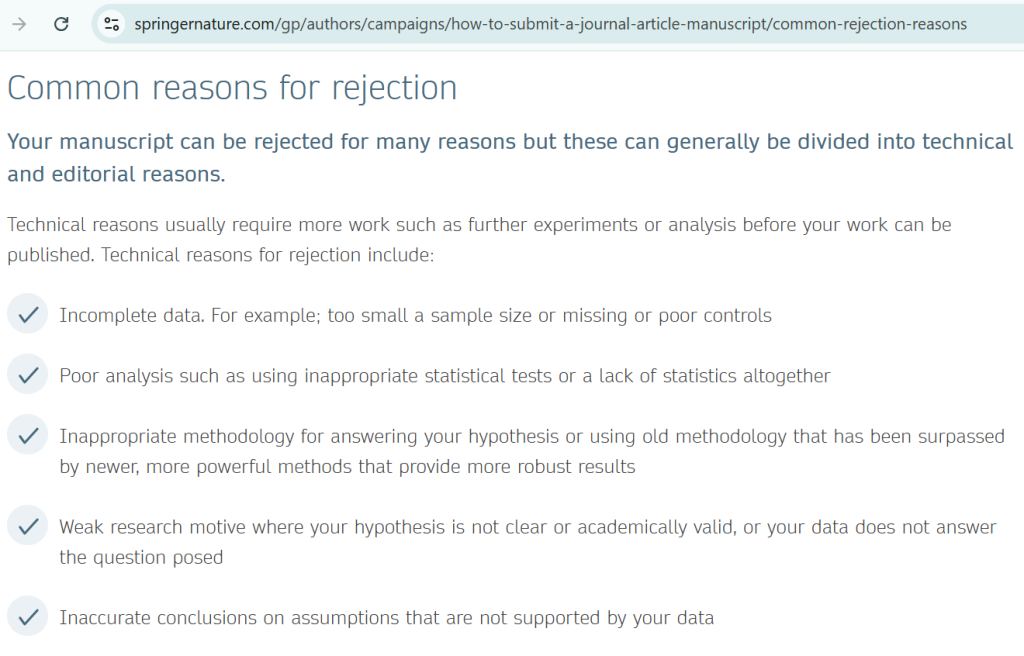
A missing statistical explanation, an unclear methodology description, a poorly framed discussion section.
Small gaps can trigger major criticism.
For those exploring academic content writing jobs, this opens up an interesting opportunity, especially within remote academic writing jobs and freelance academic writing jobs serving US professors and researchers.
Instead of just editing grammar, what if a writer could help make a manuscript “reviewer-ready” before submission?
That’s where pre-publication review support comes in.
Why This Skill Is in Demand
Top journals often have rejection rates above 80–90%. Even strong studies fail due to:
- Weak study design explanations
- Statistical reporting gaps
- Missing citations
- Overstated conclusions
- Poor journal fit
Many early-career US academics cannot afford large editing firms. Research teams with multiple manuscripts in the pipeline often need affordable, high-quality support.
This creates a serious opportunity within research paper writing jobs, especially for writers who understand research structure and peer review psychology.
Typical pay range: $200–500 per manuscript for 15–20 hours of focused review.
What Does “Pre-Publication Review” Actually Mean?
Think of this as stepping into the shoes of a hostile reviewer before the journal does.
A writer helps the researcher identify:
- Methodological weaknesses
- Statistical reporting issues
- Logical inconsistencies
- Missing ethical disclosures
- Overclaims in the discussion
- Gaps in literature positioning
In short, the writer becomes “Reviewer #2” before Reviewer #2 shows up.

This is one of the most in-demand academic writing works in 2026.
This moves the work far beyond basic editing and into higher-value academic writer jobs.
A Simple Framework Writers Can Use
Here’s how this typically works.
1. Break the Paper Into Core Sections
Instead of reviewing everything at once, examine these to allow section-wise feedback:
- Abstract
- Introduction
- Methods
- Results
- Discussion
- Conclusion
2. Simulate Different Reviewer Types
Instead of generic feedback, think in personas:
- The ‘Methods Skeptic‘ – Are procedures clear and reproducible?
- The ‘Statistical Nitpicker‘ – Are tests justified? Are effect sizes reported?
- The ‘Literature Expert‘ – Are key citations missing? Is novelty overstated?
- The ‘Clarity Reviewer‘ – Are terms undefined? Are logical jumps present?
- The ‘Ethics Checker‘ – Are approval statements and disclosures included?
By anticipating objections from each angle, rejection risks drop significantly.
This structured approach makes a writer far more valuable in freelance academic writing jobs.
3. Run a Contradiction Check
Do the numbers in the abstract match the results section?
Does the conclusion reflect actual findings?
Inconsistent sample sizes, unclear timelines, or mismatched claims are red flags for reviewers.
Catching them early increases acceptance chances.
4. Improve Journal Fit
Many papers are rejected simply because they don’t match the journal’s scope.
A skilled reviewer checks:
- Does the abstract reflect the journal’s audience?
- Are keywords aligned with the journal’s themes?
- Is the contribution framed correctly?
This strategic positioning is often missing, and highly valued.
Why US Professors Would Pay for This
US researchers operate under intense “publish-or-perish” pressure.
Younger academics in particular:
- Must publish in top journals for tenure
- Often lack dedicated research assistants
- May need clarity support
- Want to avoid embarrassing desk rejections
For them, paying $300 to reduce rejection risk is logical.
That’s why this niche fits perfectly into remote academic writing jobs targeting international clients.
How to Find Clients for Pre-Publication Review Work
Writers can:
- Use Google Scholar or PubMed to find recently published researchers
- Identify early-career academics (assistant professors, postdocs)
- Read one of their papers
- Send a personalised message referencing their work
A simple outreach message could look like:
I recently read your study on [topic] and found the approach insightful. I offer structured pre-submission manuscript review support focused on anticipating reviewer objections, strengthening statistical reporting, and improving journal fit. If helpful, I would be glad to review an upcoming draft before submission.
Notice the tone: supportive, not sales-y.
Over time, one satisfied professor often leads to referrals.
This is how consistent academic content writing jobs begin.
Expanding Beyond Review Work
Once trust is built, writers can expand into:
- Grant proposal review
- Manuscript editing
- Literature review support
- Publication strategy guidance
That’s the real opportunity inside research paper writing jobs serving global academia.
Final Thoughts
Many writers focus only on thesis editing or student assignments.
But the real growth in 2026 is happening through collaboration with international researchers.
For those exploring serious freelance academic writing jobs, this skill opens doors, especially with US professors under publishing pressure.



 Allow notifications