
Unlock the door to independent director roles by building a powerful personal brand. Stand out from the competition and let your expertise speak for itself!
Table of Contents
Introduction
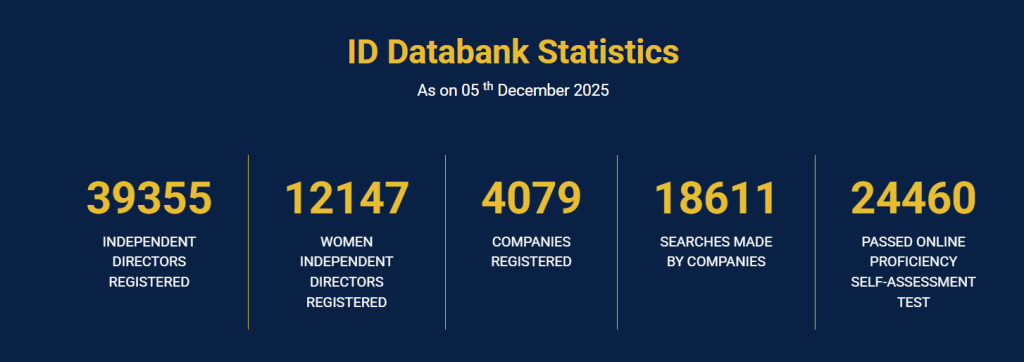
India needs more than 30,000 additional independent directors right now, and over 100,000 by 2030 (Source). Yet only 24,460 professionals have passed the qualifying IICA exam(Source). The demand is massive. The supply is minimal. The opportunity is real.
But here is what most qualified professionals miss: credentials alone do not get you appointed. At senior levels, your personal brand as an independent director matters more than your CV. Your qualifications open the door to consideration. Your personal brand determines whether you walk through it.
After studying the career trajectories of over 500 independent directors and working with 270+ professionals who cleared the IICA exam, a clear pattern emerged. In this guide, you will learn the 5 personal branding pillars that successful independent directors build on, with real case studies, step-by-step tactics, and a content amplification framework you can start today.
Why Your Personal Brand Matters More Than Your Qualifications
Consider two professionals with identical credentials. Both have 25+ years of experience. Both have cleared the IICA exam. Both are technically qualified to serve as independent directors. Both want appointments.
| Professional A: Invisible | Professional B: Visible |
| LinkedIn profile lists jobs only | Optimised LinkedIn with weekly insights |
| No articles, no speaking, no visibility | Guest lectures, podcasts, 5 published articles, startup advisor |
| Waiting for opportunity to find him | Opportunities compound automatically |
If you were the founder of a company preparing to go public, which professional would you want in your boardroom? Most senior professionals default to Professional A’s path, not because they want to remain invisible, but because they don’t know how to become visible.
The 5 Personal Branding Pillars for Independent Directors
You don’t need all five immediately. But you need at least three, built systematically over time. Here is how to build each one.
Pillar 1: Build Your Online Audience on LinkedIn
The first thing anyone does before considering you for a board position is type your name into Google or search you on LinkedIn. That search result is your digital handshake. If they find a sparse profile and nothing else, they move on.
Case Study: Nimisha Shah : Appointed in 24 Hours
Nimisha Shah had 25 years in multinational companies. Instead of waiting, she optimised her LinkedIn and began sharing industry insights 2–3 times per week, real observations from auto dealerships, inventory management, and sector trends. The results compounded: guest lectures at K J Somaiya Institute and ET Auto Dealer Summit, committee roles at Jain CA Federation, WICCI, and the Western India Regional Council of ICAI. When a company preparing for an IPO researched her, they found evidence of expertise, not just claims of it. In August2023, she passed the IICA Independent Directors’ exam. Within 24 hours, she was appointed as Independent Director at Pranik Logistics Ltd.
Case Study: Gowthaman Sounderraj
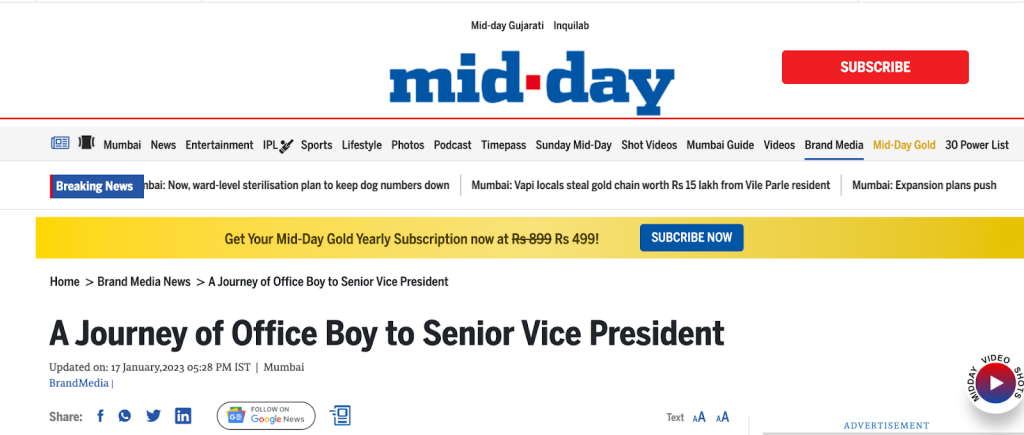
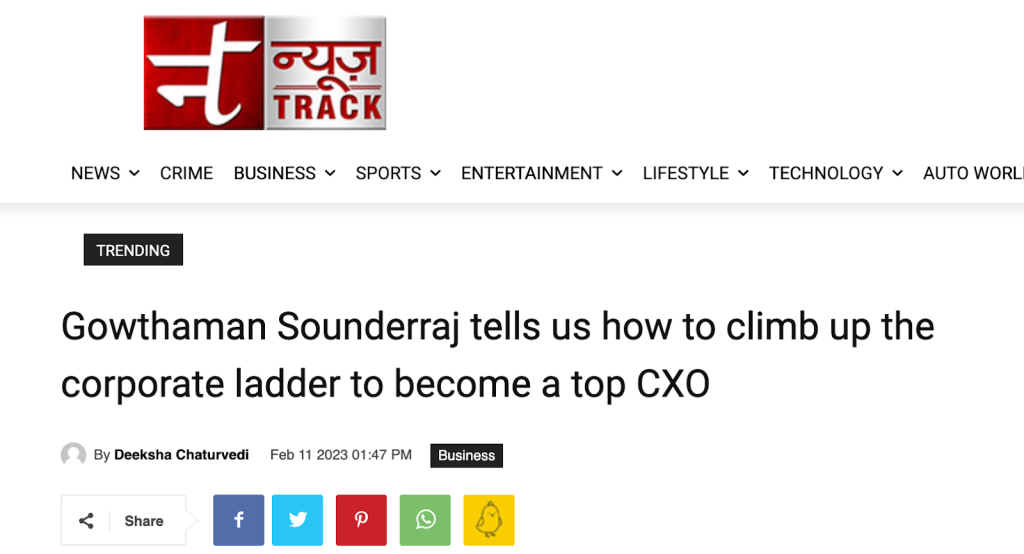
As Senior Vice President at SBI Life Insurance, he was successful by any conventional measure. But when he started building his personal brand, LinkedIn activity, media coverage, and speaking engagements, the opportunities multiplied. He moved to Chief Business officer at CreditAccess Life Insurance Limited, a Key Managerial Personnel position. The visibility didn’t just help his independent director prospects. It accelerated his entire career.
.
How to Build Your LinkedIn Presence: Step-by-Step
1. Audit your digital presence. Google your name right now. Check the ‘News’ tab. If nothing appears, you are invisible. If positive achievements appear, you need more volume.
2. Review your LinkedIn profile honestly. Does it showcase insights, or just list jobs? Does it tell a story of expertise?
3. Identify your three content pillars, areas where your experience provides unique insights. These become your content bank.

4. Post 2–3 times per week. One industry insight, one lesson learned, one observation from experience. Consistency beats perfection.
5. Connect with 10 people in your industry every week. Personalise each request with a specific reason.
6. Comment thoughtfully on industry leaders’ posts, not just ‘Great post!’ but a specific insight from your own experience.
The LinkedIn Content Formula
Don’t post: “I managed projects for 25 years at Company X.”
Instead post: “Here’s what 25 years of managing high-stakes projects taught me that most people miss: [specific insight]. This matters because [reason]. If you’re in [industry], watch out for [specific things].”
Pillar 2: Build a Physical Community Through Speaking Engagements
Digital presence gives you reach. Physical presence gives you depth. People who hear you speak trust you differently from people who read your posts. They have seen you handle questions, watched you think on your feet, and experienced your presence firsthand.
Universities actively seek experienced professionals for guest lectures. Alumni connections make introductions easier. Professional associations welcome subject matter experts. Startups need advisors and mentors.
When Ramanuj Mukherjee was building SkillArbitrage in his early twenties, nobody took him seriously. He was too young. He had no track record. Every door seemed closed.
So he volunteered. He showed up at Startup Saturday events. He attended The Rodinhoods meetups. He didn’t ask to speak. He asked to help. He offered to manage registrations, coordinate logistics, whatever they needed.
Sometimes, as he became a friend to the organizers, they’d give him a chance to speak. Sometimes they’d refuse. But when speakers cancelled at the last minute, and speakers always cancel sometimes, he was there.
Why was he so eager? Because every speaking engagement led to new clients. Every time.
People who hear you speak trust you differently from people who read your posts. They’ve seen you handle questions.
They’ve watched you think on your feet. They’ve experienced your presence.
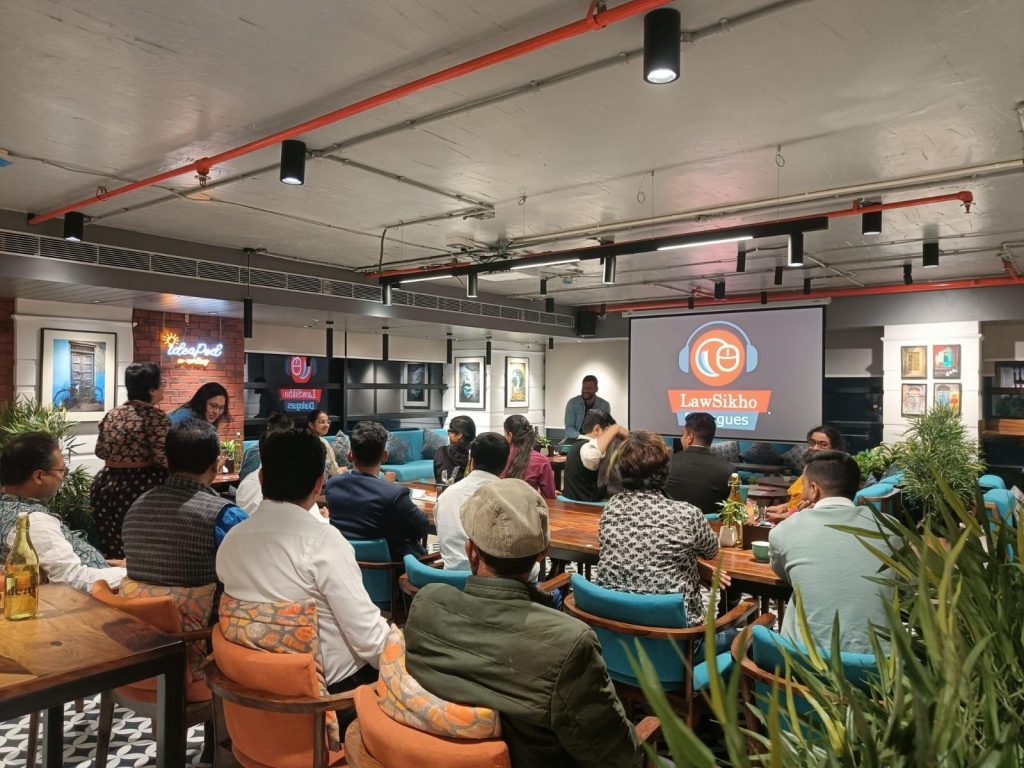
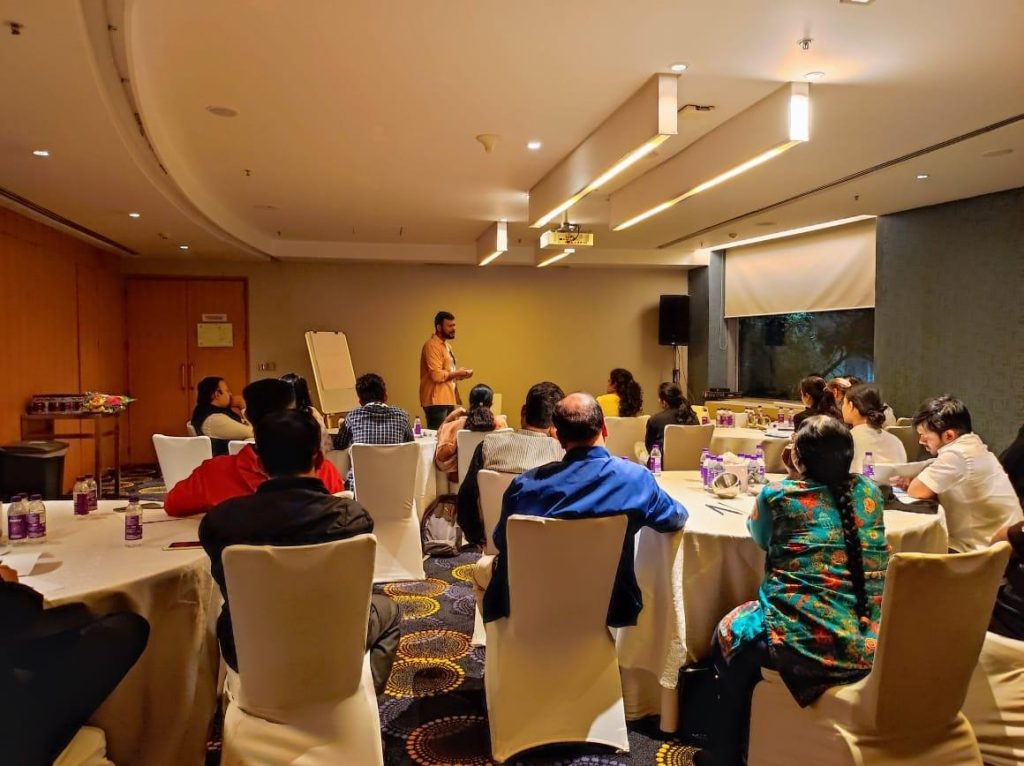
Ramanuj in Kolkata
Ramanuj in Pune
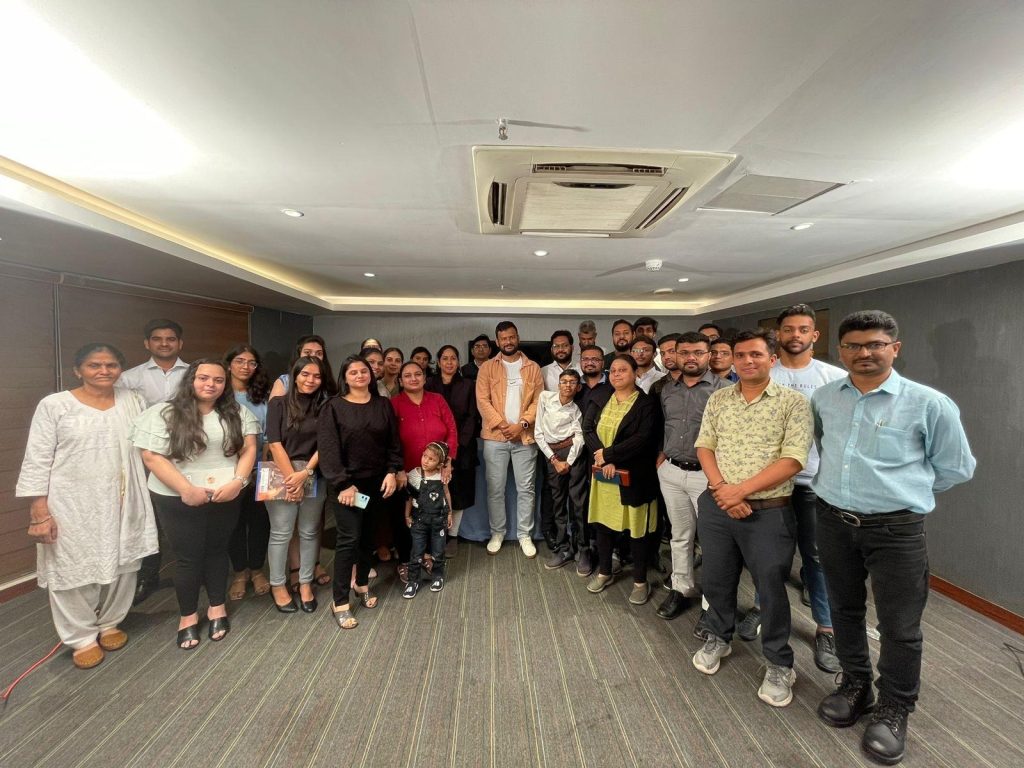
Ramanuj in Ahmedabad
The strategy works even better for senior professionals
Case Study: M.K. Sateesh : Three ID Appointments in 18 Months
M.K. Sateesh, with 40 years in the construction industry, delivered a guest lecture at Galgotias University. That led to more speaking opportunities. Those led to podcast invitations. And those led to his first independent director appointment at Kirtiman Agro Pvt. Ltd. in July 2024, followed by a second at Delta Engineering, and then a third.
How to get started with physical community building:
• Reach out to alumni networks at universities related to your domain and offer a guest lecture
• Volunteer at industry events, offer to manage registrations or coordinate logistics
• Join professional associations relevant to your sector and show up consistently
• Offer to mentor or advise one startup in your area of expertise
Pillar 3: Earn Third-Party Validation (Media, TEDx, Publications)
There is a psychological principle at work here. When you say “I’m an expert,” people are skeptical. When the media says “Expert [Your Name] says…” , people believe it. Third-party validation is borrowed credibility that becomes earned credibility.
Nikhil Isaac, a real estate consultant. He wasn’t a celebrity, but when he delivered a TEDx talk, people began to see him differently. That one external validation signalled credibility.
Real examples of third-party validation driving board appointments:
• Manisha Deep wrote about emotional sustainability. One article was picked up by 80+ newspapers and read by 70 million people, earning her a TEDx invitation and board credibility.
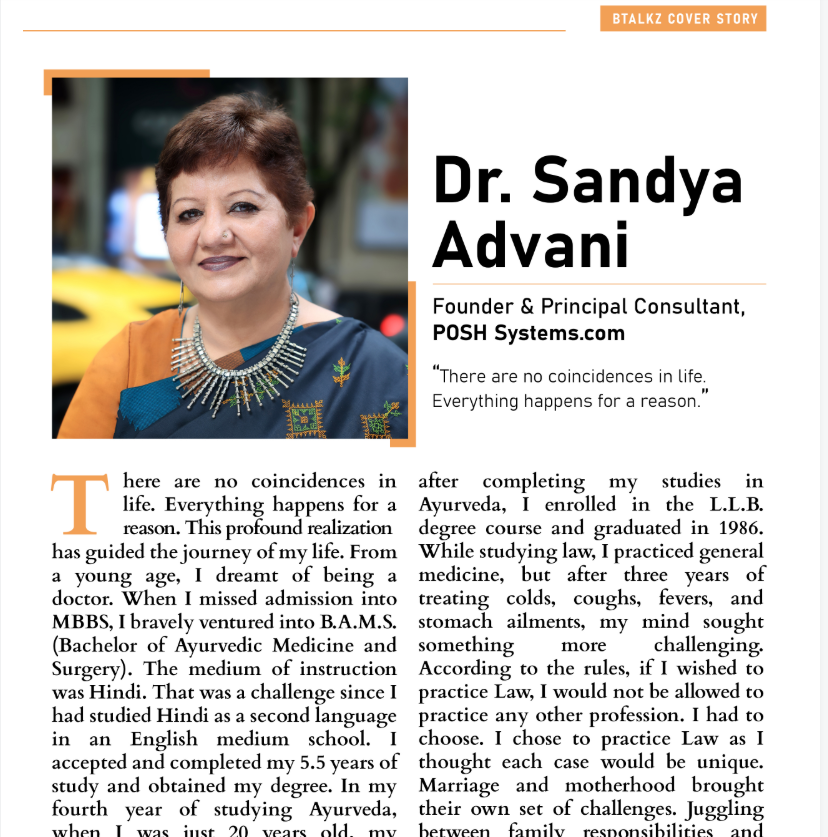
• Sandya Advani, a retired Director of Admin and Facilities, chose to build her personal brand and launched her own venture after retirement.Her inspiring journey went on to become the cover story of a magazine.
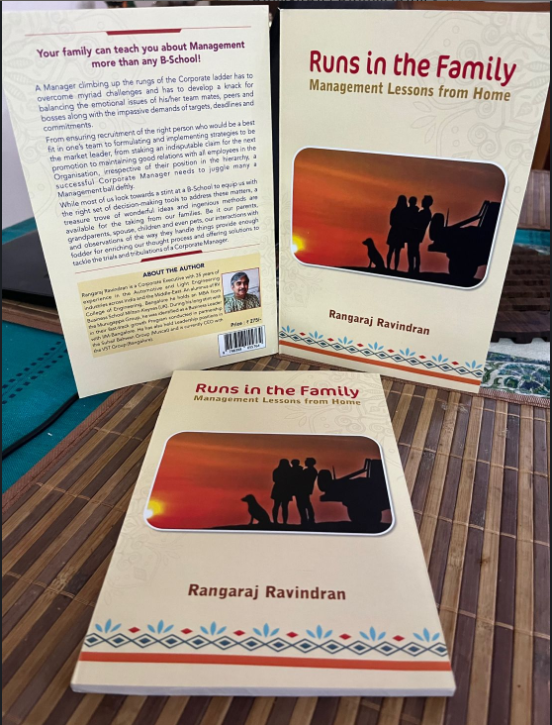
• Rangaraj Ravindran published “Runs in the Family: Management Lessons from Home” in January 2023. Three months later, he secured an appointment as Independent Director at Inspire Films Ltd.
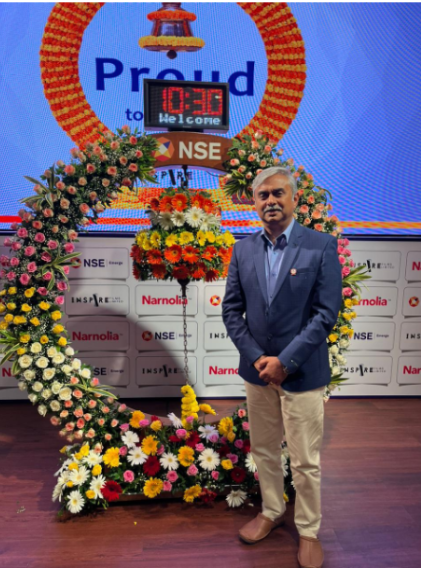
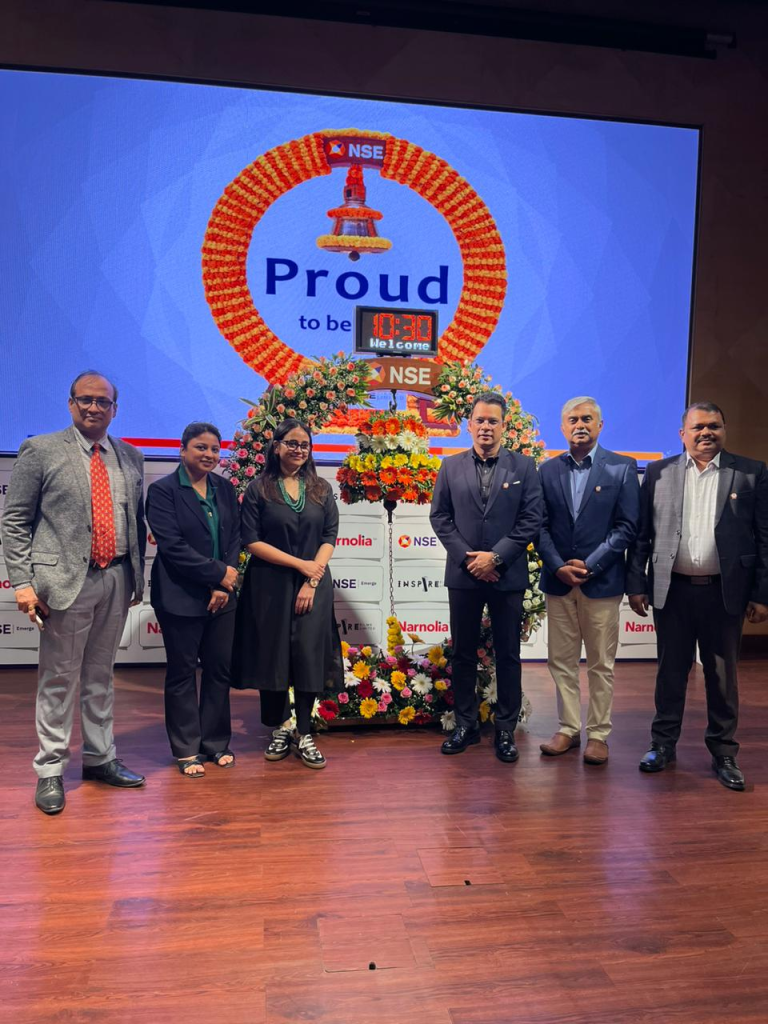
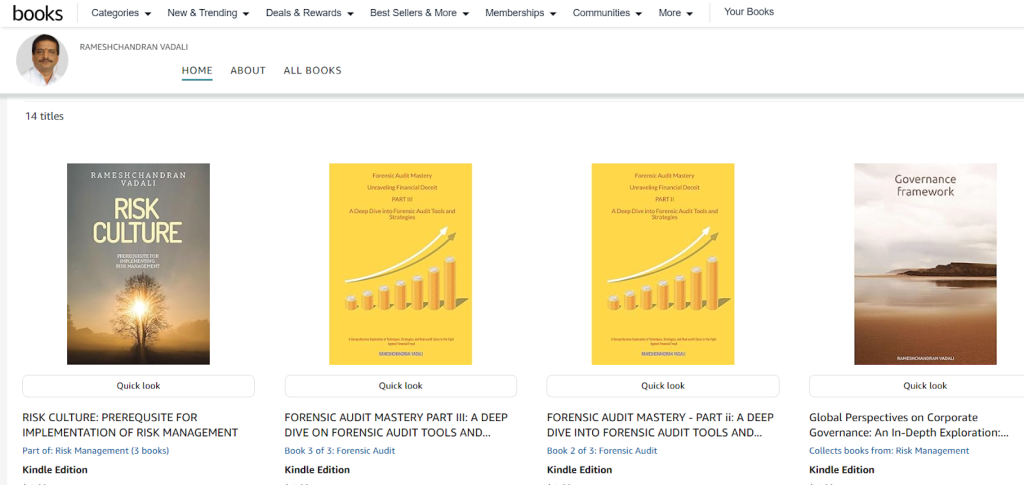
• Rameshchandran Vadali wrote 14 books published on Amazon. Result: USD 14,000 consulting projects from Kenya and over USD 100,000 in total earnings.
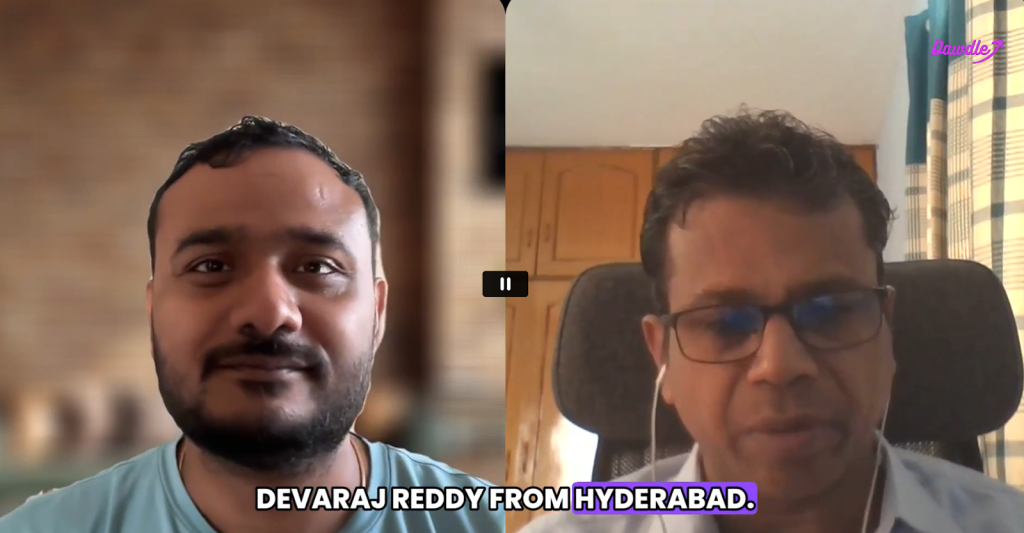
• Dr. Esuru Debaraju Reddy, a surgeon from Hyderabad, was featured on a healthcare innovation podcast, positioning him as a thought leader shaping the conversation on hospital operations.
Pillar 4: Build Strategic Partnerships That Borrow Credibility
When you’re building from scratch, partnerships accelerate credibility exponentially. You borrow their established reputation. Their audience becomes your audience. Their endorsement carries weight you haven’t earned yet, and then you build on that foundation.
Ramanuj Mukherjee’s (CEO of SkillArbitrage) story illustrates the principle perfectly.
He wanted to speak at engineering colleges, but was too young.
Every college turned him down.
Then he partnered with IIT Delhi’s entrepreneurship cell. One partnership opened every other door.
The logic was simple: “If IIT Delhi trusts him, we can too.”
Subsequently, he spoke at NITs, other IITs, and conferences.
Then came the partnership with National Skill Development Corporation, which removed all skepticism about “online education.”
NSDC is set up by the Ministry of Finance and the Ministry of Skill Development and Entrepreneurship. It’s part of PM Narendra Modi’s Skill India initiative.
Result: Government-recognized certificates for all courses.
Parents and employers trust government-backed certification. The partnership with NSDC gave immediate legitimacy.

Nimisha Shah became a committee member at the Jain CA Federation, then at WICCI, then at the Western India Regional Council of ICAI.
Each partnership made the next partnership easier. When companies researched her, they saw multiple institutional endorsements, not just individual claims.
How to identify partnership opportunities:
• Professional associations in your sector (CAs: ICAI regional councils; lawyers: bar associations; HR: SHRM India chapters)
• University entrepreneurship and industry cells in your domain
• Industry chambers and federations (CII, FICCI, sector-specific bodies)
• Co-authoring articles or reports with established institutions
Pillar 5: Amplify Your Achievements Across Your Professional Network
The silent success problem destroys more opportunities than any other mistake. You achieve things, certifications, promotions, projects, recognitions. You tell no one. Your network doesn’t know. Opportunities that could have come from that news never materialise.
Key Insight: The Achievement Amplification Formula
Brief context (what happened) + Insight or lesson (value for your audience) + Make it about them (a question or application)
Instead of: “I was appointed as an Independent Director at XYZ Company.”
Write: “Last week I attended my first board meeting as an Independent Director. Three things that surprised me about governance at this level: [insight 1], [insight 2], [insight 3]. If you’re pursuing board positions, here’s what to prepare for…”
The Achievement Repurposing Strategy: One Event, 10 Posts
Great achievement with no amplification equals few opportunities. Small achievement with great amplification equals good opportunities. Great achievement with great amplification, sustained over time, equals a flood of opportunities.
Example: You delivered a guest lecture at a university. Here is how to turn one event into 10 pieces of content over 6 weeks:
1. Day of event: Photo from the lecture. Caption: “Looking forward to discussing [topic] with students at [University].”
2. Day after: “Yesterday’s discussion reminded me why [insight]. Three questions the students asked that every professional should consider…”
3. One week later: “Last week’s lecture got me thinking about [related industry trends]…”
4. LinkedIn article: “What Teaching at [University] Taught Me About [Industry Topic]” — 500-word deep dive.
5. Video clip: If recorded, post a 2-minute clip of the key moment.
6. Quote graphic: Image with your best quote, your photo, and the university name.
7. Thank-you post: “Grateful to [Professor Name] and [University]. The energy and curiosity of today’s students… [specific example].”
8. Lessons-learned post: “Three things I learned by teaching [topic] at [University]…”
9. Tag and amplify: When the university posts about the event, share their post with your commentary.
10. Newsletter mention: Include the experience and lessons in your email newsletter.
Frequently Asked Questions: Building Your Independent Director Brand
Q: How long does it take to build a personal brand as an independent director?
Most professionals begin seeing tangible results, speaking invitations, connection requests from merchant bankers, and inbound inquiries, within 3 to 6 months of consistent activity across at least two of the five pillars. M.K. Sateesh went from clearing the IICA exam to three independent director appointments in 18 months.
Q: Do I need to be active on social media to become an independent director in India?
Not exclusively. While LinkedIn presence (Pillar 1) is the highest-leverage activity for most professionals, you can build credibility through physical community (Pillar 2), third-party validation (Pillar 3), and strategic partnerships (Pillar 4) without heavy social media use. However, you need at least three pillars working together.
Q: I cleared the IICA exam but have no board appointments yet. Where do I start?
Start with a LinkedIn audit and a content strategy, this has the lowest barrier to entry and the fastest compounding effect. Simultaneously, identify one speaking opportunity in your domain. These two activities (Pillars 1 and 2) together create the foundation that everything else builds on.
Q: Is personal branding just self-promotion? It feels uncomfortable.
The distinction is this: self-promotion says “I’m great.” Personal branding says “Here is what I have learned, and here is how it might help you.” When you share a governance insight from 25 years of experience, you are providing value, not bragging. The Achievement Amplification Formula (Achievement + Insight + Application) keeps every post valuable rather than self-serving.
Start Building Your Independent Director Brand Today
India’s boardrooms need qualified, visible, credible professionals, and the demand will only grow. The five pillars, online audience, physical community, third-party validation, strategic partnerships, and achievement amplification, are not theoretical. They are the documented paths of professionals like Nimisha Shah, Gowthaman Sounderraj, M.K. Sateesh, Sandya Advani, Manisha Deep, and Rangaraj Ravindran.
You do not need all five pillars simultaneously. You need to identify which two or three will give you the fastest results based on your specific background, and start there, consistently, today.




 Allow notifications