
Promoters don’t appoint just anyone as an independent director, they follow a deliberate shortlisting process with two non-negotiables that determine whether your name ever reaches shareholders. Here’s what they look for, what can get you removed, and how India’s most sought-after independent directors keep board offers coming.
Table of Contents
How Promoters Shortlist Independent Director Candidates
Promoters usually have 2 main non-negotiables when it comes to appointing independent directors. But before we get into the two non-negotiables, let us understand what they check when shortlisting candidates.
Promoters typically look at:
- Whether your name is listed in the independent directors’ database
- Your LinkedIn profile and whether it shows the necessary track record (you can find how to make a professional LinkedIn profile here)
- Your Google footprint and whether it substantiates what your LinkedIn profile states
It is important for them to do this because it’s their shareholders that approve independent director appointments and your credentials as an ID are mentioned in the resolution that goes to shareholders. Stock exchanges have also become quite active in rejecting appointments of people who do not have appropriate credibility.
This means building a strong personal brand is no longer optional. It is essential.
The Balance Independent Directors Must Strike in the Boardroom
One of the most common misconceptions is that promoters want independent directors who simply agree with everything. That era is over.
What promoters actually want is someone who can ask tough questions, uphold good corporate governance, and protect shareholder interests, but with the mindset of a trusted advisor rather than an interrogator. An independent director’s questions should inform the discussion, add value, and ensure the promoter acts in the interest of all shareholders.
If a company is engaging in fraud or illegality, it is the independent director’s duty to raise red flags. In practice, even a politely flagged concern from an independent director tends to be resolved at speed, given the reputational and stock price implications of a director’s resignation.
Lessons from the Sam Altman–OpenAI Board Crisis
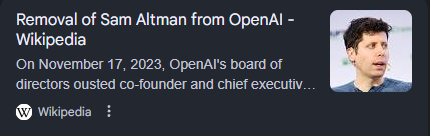
A few years ago, the independent directors of OpenAI removed Sam Altman as CEO, without informing or consulting major investors like Microsoft and Khosla Ventures. Shortly after, Altman was reinstated. Founders and investors in Silicon Valley were openly vocal: those board members would struggle to secure future board appointments.
The lesson is not that independent directors should be passive. It is that unpredictability in the boardroom destroys trust, and trust is the foundation of every board relationship.
What Happened to Nusli Wadia at Tata Sons
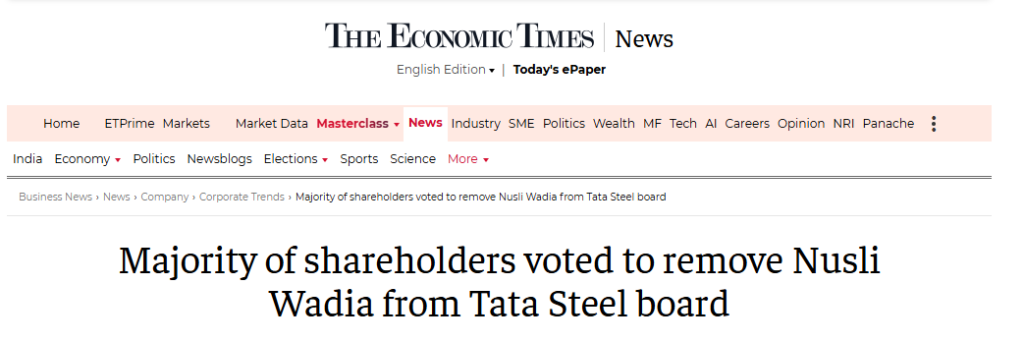
Closer to home, Nusli Wadia, a former independent director of Tata Sons, was removed on the grounds that he was perceived as acting in concert with the then-ousted Chairman Cyrus Mistry. His removal underscored that even experienced, decorated professionals can lose board seats when they are seen as working against the promoter’s interests rather than in the larger interest of shareholders.
The 2 Non-Negotiables Promoters Look For in an Independent Director
Once you clear the initial screening, everything narrows down to two make-or-break factors.
Non-Negotiable 1 : Relationship Capital With Promoters
The single fastest path to a board appointment is having an existing professional relationship with the promoter who already sees you as a trusted advisor or mentor. If they know you, trust your judgment, and value your experience, your chances of appointment are very high.
A pattern seen repeatedly in the independent director ecosystem: professionals who educated promoters about opportunities, such as getting listed on SME stock exchanges, created goodwill that translated directly into board appointments or warm referrals to the promoter’s own network.

However, there is an important caveat here. Promoters want someone who will support them when it matters, not someone who will become adversarial once seated. The relationship must be grounded in genuine trust, not just familiarity.
Non-Negotiable 2 : A Strong Personal Brand and Public Reputation
Companies with better corporate governance and a high-quality board command a valuation premium in the market. This makes the personal brand of each independent director directly relevant to the company’s standing with investors and analysts.
If you have built a strong reputation, a credible public following, and visible recognition in your domain, promoters and headhunters will find you, not the other way around.
If you want to get started on personal brand building, here is a guide for that.
The supply constraint also works in your favour: regulations cap independent director appointments at seven boards per person, and most high-profile directors choose to sit on only three to four boards at any time. This creates a structural gap that companies must fill with new, credible candidates.
5 Proven Ways Independent Directors Build Their Personal Brand
A study of the career trajectories of successful independent directors reveals five recurring brand-building activities. Notably, none of these are restricted by age or seniority.
- Industry association involvement : Representing and promoting the interests of players within a specific sector gives you visibility, credibility, and a policy-level perspective that promoters value.
- Guest or visiting faculty positions : Holding a teaching role at a university, business school, or professional institute positions you as a subject-matter authority and expands your network into emerging professional communities.
- Startup advisory roles : Advising early-stage startups demonstrates hands-on engagement with current business challenges and builds relationships with founders, the very people who may one day invite you to their boards.
- Positive media coverage : Published op-eds, expert quotes in financial media, podcast appearances, and speaking engagements create the Google footprint that promoters check during their shortlisting process.
- Awards, recognitions, and publications : Industry awards, authored books, and whitepapers serve as third-party endorsements of your expertise and add weight to your public profile.
Does Age or Seniority Hold You Back?
The short answer is no, and in many cases, age is a distinct advantage.
Younger founders and promoters often lack the governance experience, strategic depth, and networks that senior professionals have spent decades building. A retired CA, an ex-Army officer, a banking veteran, or a seasoned IT leader brings exactly the kind of wisdom that entrepreneurs need but rarely have access to internally.
What changes with age is not opportunity, it is the roadmap you need to get there. The path for a retired CA positioning for an Audit Committee is entirely different from the path for an ex-Army officer targeting governance roles. A banking professional’s route to their first independent director appointment looks nothing like an IT leader’s.
How to Know Where You Stand on Both Non-Negotiables
Self-assessment is a useful starting point. Ask yourself honestly:
- Do you have strong existing relationships with promoters, investors, or founders who would vouch for you in a boardroom context?
- Does your public profile, LinkedIn, media coverage, published work, reflect the credibility and authority expected of a board-level professional?
- Have you identified which board committees your background naturally fits (Audit, Nomination & Remuneration, Risk, CSR)?
- Do you know the specific gaps between where you are today and “appointment-ready”?
If the answer to any of these is unclear, that is exactly the information you need before you begin outreach to promoters or register with headhunters.
Conclusion
Securing an independent director appointment comes down to two things: relationship capital and personal brand strength. Promoters will not appoint someone they do not trust, and they cannot appoint someone they cannot find. Building both, systematically, with a plan that matches your specific background, is what separates professionals who receive board offers from those who keep waiting for one.





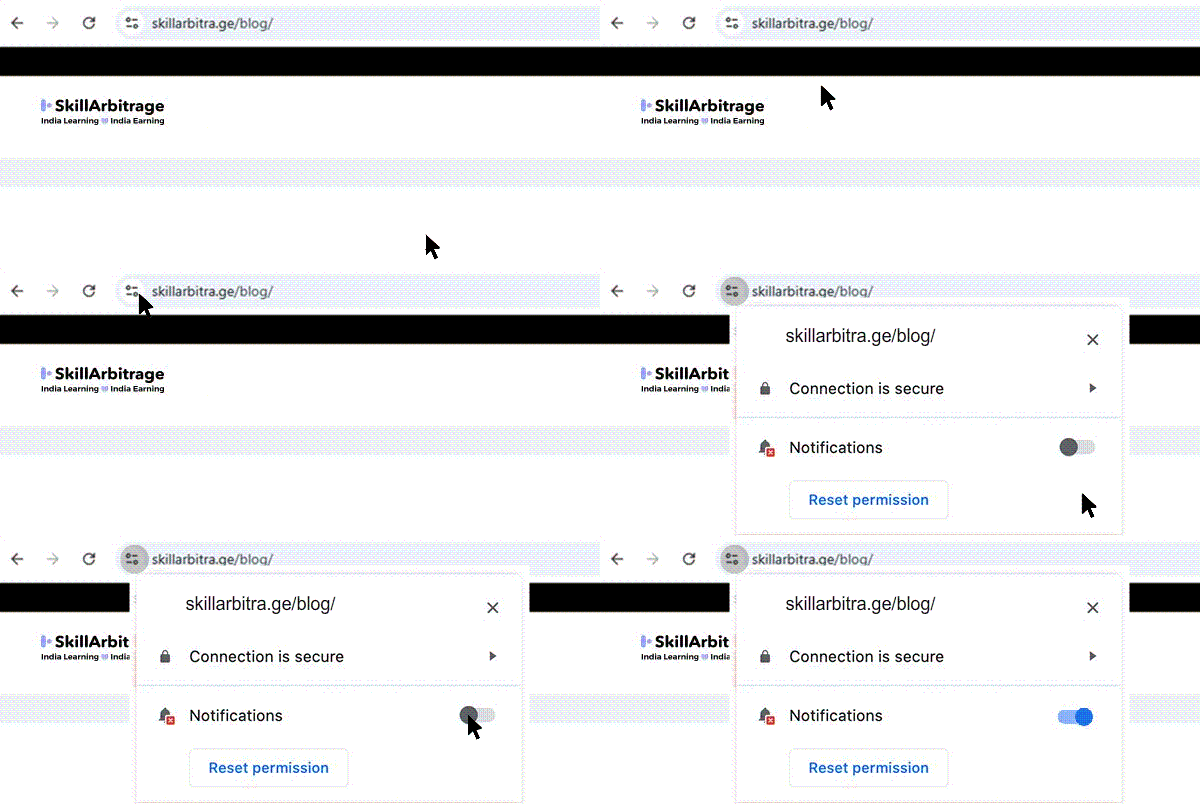
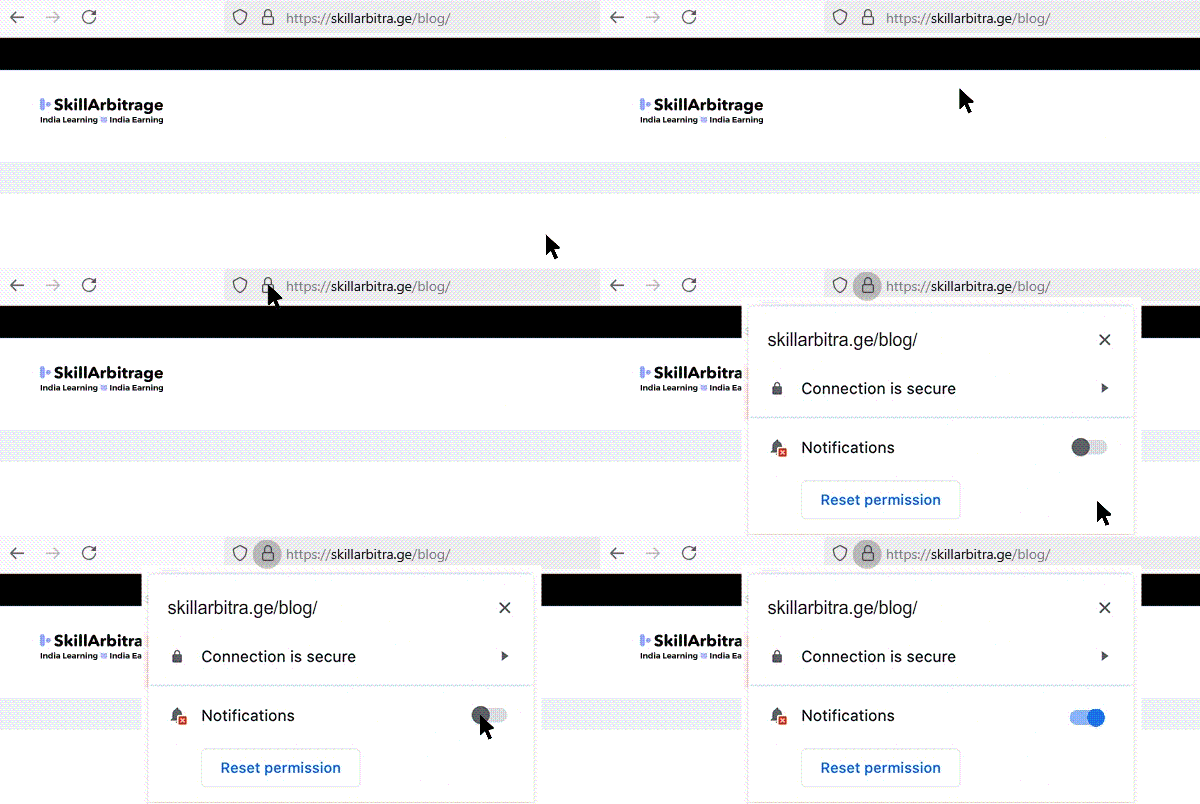
 Allow notifications