
You show up every day. You solve problems, calm angry customers, keep operations running and still, your pay stub barely reflects the effort. If you work in support or operations in India, this isn’t new information. Low salaries, rotational shifts, and a career ceiling that feels impossible to crack are the norm, not the exception.
Table of Contents
The Hard Truth About Support & Operations Careers in India
Let’s be honest about the numbers. Entry level salaries in India’s support and operations sector hover around Rs. 20,000 per month or less. Increments are less, pressure is relentless, and for those serving international clients, graveyard shifts are a way of life.
The traditional paths out aren’t accessible to everyone. An expensive MBA is beyond the reach of most professionals. Chasing MNC jobs with better pay often means years of waiting and relocation without any guarantee of success.
“Your solution isn’t to keep competing in an oversaturated local market , it’s to take your skills to the international stage.”
Why Global Companies Are Desperately Seeking Support & Operations professional
If you already work in support & operations, you have the exact skills that multinational corporations are looking for. The US, UK, Europe, Australia, and Singapore are severely lacking in the problem-solving, communication, empathy, and technological skills. SMEs, enterprises, and international startups need you. Additionally, they are prepared to pay higher prices to acquire you.
The Data looks like:
The United States: A 41% Attrition Crisis
US contact centres are bleeding talent at an alarming rate. According to a 2022 NICE WEM Global Survey, the annual attrition rate in US contact centres sits at a staggering 41–42% one of the highest in any industry.
Research by Harvard Business Review shows that replacing each agent costs companies between $10,000 and $20,000. Companies aren’t just losing employees they’re losing tens of millions in recruitment and training costs every year.
The UK, Europe, Australia, and Singapore tell a similar story, but even more dramatic.
| United Kingdom | 1. Contact center attrition rates ran26% to 45%. 2. A 2024 Brook Street industry report found that 71% of communication services businesses are struggling to find the skilled workers they need. 3. According to CIPD research, it costs UK companies over £6,000 every time they need to replace an agent. 4. That’s a lot of money going down the drain. |
| Europe (Germany, France, and the Netherlands) | 1. Facing the same 26-45% attrition crisis across the region. 2. The European Customer Care BPO market was valued at USD 23.35 billion in 2023. 3. Expected to grow to USD 42.64 billion by 2031, that’s a 7.6% compound annual growth rate |
| Australia | 1. According to the 2025 Australian Contact Centre Industry Best Practice Report by SMAART Recruitment, companies thought reshoring after COVID would solve their problems. |
| Singapore | 1. As the Asia-Pacific hub for countless multinational corporations, there’s constant demand for English-speaking support staff. 2. Demand they simply can’t meet locally. |
The Great Resignation Made the Talent Gap Worse
The pandemic (Covid-19) didn’t just disrupt supply chains it fundamentally shifted how workers think about their jobs. This was not limited to the United States, it quickly extended to Europe, the United Kingdom, Australia, and Asia. Employees throughout the world experienced freedom and a better work-life balance while working remotely during the lockdown, and now they want more of it.
Something that none of these Support & Operations sectors were providing.
• According toPwC’s 2024 Global Workforce Hopes & Fears Survey, 28% of workers globally plan to change jobs up from just 19% in 2022
• A Microsoft and LinkedIn study found that 46% of global employees are considering leaving their jobs in the next year
The Market Numbers That Prove This Is a Real Opportunity
The talent crisis isn’t happening in a shrinking industry. These global markets are growing rapidly, which makes the skills gap even more urgent:
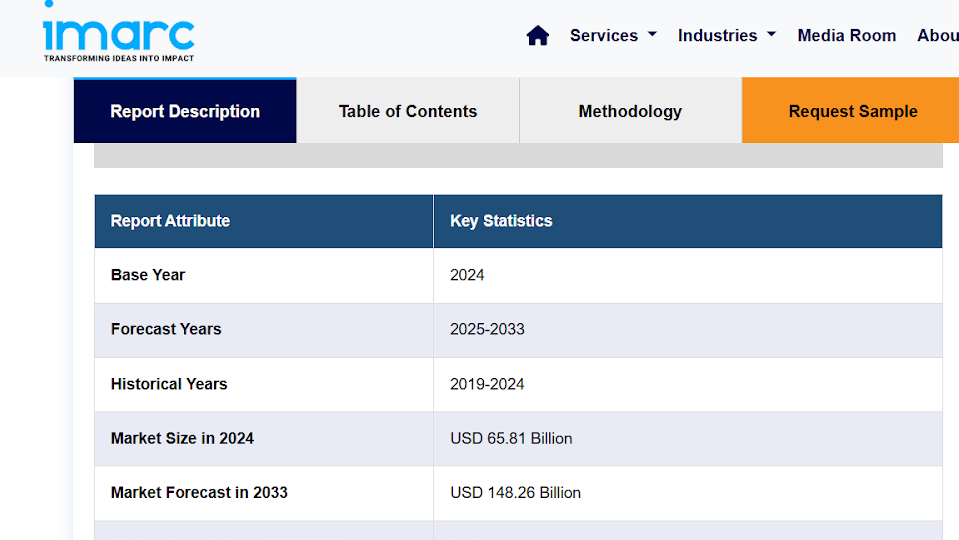
• The global Operations and Business Support Systems (OSS/BSS) market was valued at USD 65.81 billion in 2024 and is expected to reach USD 148.26 billion by 2033, growing at a CAGR of 9.4% (IMARC Group)

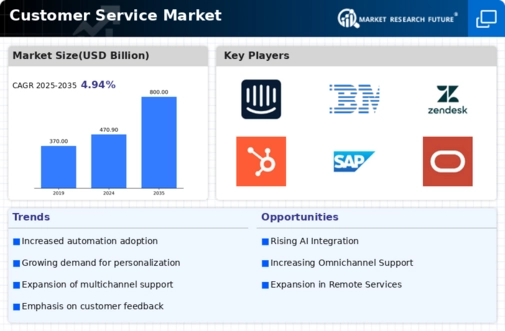
• The Global Customer Service Market stands at USD 470.9 billion in 2024 (Market Research Future)
• The Customer Experience Outsourcing Market is worth USD 82.23 billion in 2024 and is projected to reach USD 114.29 billion by 2032 (SkyQuest Technology)
Billions of dollars in market value. Massive, gaping talent gaps. And a local talent pool in each of these markets that is shrinking not growing.
That gap has to be filled by someone. It can be filled by you.
Your Unfair Advantage: AI Automation for Support & Operations
Here’s where the opportunity goes from good to exceptional.
The global shift to AI-powered workflows is reshaping support and operations but most professionals in the field haven’t upskilled for it yet. That’s a window of opportunity.
Learning to create AI automation workflows for support and ops work gives you a genuine competitive edge over other candidates. It allows you to deliver more in less time, take on higher-complexity roles, and command significantly better rates.
The best part? You don’t need a technical background. These skills can be learned from scratch in 6 to 8 months, putting in just 2 hours of focused work per day.
“AI doesn’t replace skilled support and ops professionals. It makes them 10x more valuable if they know how to use it.”





 Allow notifications