


What if I told you that working just 3 – 4 hours daily from your home in India, you could earn more than most full-time Indian jobs?
Yes, it’s possible. Remote work is not just a dream, it’s a reality that could change your life.
Table of Contents
Imagine having the flexibility to work from anywhere, with the potential to earn well above the average salary in India. In this article, we’ll show you how to break into international remote work, the exact steps to take, and how much you can expect to earn.
The Potential of International Remote Work
You may be wondering, how much can I actually earn? Well, the global remote work market offers fantastic opportunities for skilled individuals like you. The key is to understand the value of your skills in the international market.
Global Wage Comparison: Why International Clients Pay More
Let’s compare minimum wages in various countries:
- Australia: AUD 23.23/hour (USD 15)
- Canada: CAD 13-17/hour (USD 9.50-12.50)
- UK: £11.44/hour (USD 14.30)
- Germany: EUR 12/hour (USD 13)
- The Netherlands: EUR 11.05/hour (USD 12)
In comparison, freelancers from India, with the right skills, can charge USD 10/hour or more, which is significantly lower than the wages in these countries. This wage gap is the reason international companies often seek remote workers from India , they get premium talent at a fraction of the cost. It’s a win-win for both employers and remote workers.
Example of How Much You Can Earn
Let’s break down the numbers:
If you work for 200 hours per month at USD 10 per hour, you could earn:
- USD 10/hour x 200 hours = USD 2,000/month
That’s roughly INR 1.70 Lakhs per month, which is far more than most traditional full-time jobs in India. And this is just for freelancing! Many remote employees in India working for international companies earn USD 1,500–5,000 per month for full-time positions.
How to Get Remote Jobs: A Strong Reality Check
Most people make one mistake: they apply to remote jobs on job boards like Naukri, LinkedIn Jobs, or Indeed, and wait. They send CVs and cover letters, and then they get frustrated. No replies, rejections, or sometimes, months of silence make many feel that remote work is not for them.
This is where most people fail. The real opportunity lies in actively seeking out clients, honing your skills, and building a visible track record that helps you stand out.
The Secret to Getting Remote Work
You need three things to land global remote jobs:
- The Right Skills
- A Visible Track Record
- Effective Outreach
Skills alone are not enough. You must show your work and learn to reach out to the right people.
How to Build Your Track Record: Execution Strategy
Here’s where it gets practical. Here’s how you can get started and gain real-world experience:
1. Pick One Person or Business to Work With
- Find someone who needs help with small tasks: a coach, a small business owner, or even a startup founder.
- Offer to do three assignments for free.
- This could be anything from creating a few social media posts to assisting with administrative work.
2. Get Real Work, Real Feedback, Real Results
- You’ll gain real work experience, and importantly, real feedback.
- As you complete these tasks, ask for honest feedback and constructive criticism. This will help you improve and build your confidence.
- The work you do for free becomes your first proof of work , your first case study, your first testimonial, and your first piece of evidence that you can deliver results.
3. Track Record and Outreach
Once you complete those three tasks, you now have real results that can be shown to future clients. This is your track record. Use it as a foundation to build your career in remote work.
Mastering Outreach: How to Reach Clients and Build Relationships
The most critical skill that most remote workers fail to develop is how to reach out to clients. It’s not enough to just build a profile or apply to job boards. Here’s how to do outreach like a pro:
- Writing to Clients:
- Don’t just send generic applications. Personalize your outreach messages.
- Show what you can do for them , don’t focus on what you want.
- Pitching Small Projects:
- Start small. Pitch short-term projects to test the waters.
- Prove your skills and make an impact in just a few days.
- Following Up:
- Don’t give up after one email. Follow up regularly but politely.
- Your persistence shows that you are dedicated, and people appreciate that.
Platform Strategy: Building a Solid Online Presence
To truly stand out in the remote work market, it’s crucial to build a solid online presence. Here’s how to do it systematically:
- LinkedIn Profiles:
Optimize your LinkedIn profile to attract clients. Showcase your work, your skills, and your track record. - Social Media Presence:
Post about your skills, projects, and results. Social media platforms like Twitter, Instagram, and Facebook can help you build authority and connect with potential clients. - Freelance Platforms:
Set up profiles on platforms like Upwork, Freelancer, or Fiverr. These platforms give you direct access to clients looking for remote workers.
The Journey: Incremental Income Build-Up
In the beginning, you might charge USD 5/hour, which can result in USD 300 per month for part-time work. Over time, as you gain more experience and prove your worth, you can increase your rate to USD 8 – 10/hour, making USD 480-600 per month.
But this isn’t the end of your journey. As you keep improving your skills and track record, you could charge USD 20–30/hour, resulting in a stable monthly income of USD 2,000 or more.
This progression from beginner to experienced, is realistic and achievable.
Real-Life Examples: Women Earning From Home
Many women who have worked with us have built successful remote careers. Here are a couple of examples:
- Medhuri Meghna from Thanjavur started working remotely and eventually secured a position at Land Deed, a Y-Combinator funded proptech startup. Not only did she get a regular salary, but she also received equity in the company this is a great example of the kind of high achievement possible in remote work.
- Mamta Sahu, a 2018 B. Pharm grad from Pune, started freelancing in February 2024 after a 1.5-year career gap post-marriage. Within a month, she secured 10 projects related to data entry, social media publications, and earned USD 300 in her first month. To date, she has earned over USD 10,000 through Upwork. (Profile)

- Amita Chauhan from Bhubaneswar, a mother who left her corporate job in 2011, joined SkillArbitrage in September 2023. Within months, she had secured clients from Kenya and the UK, earning USD 1,800/month and managing LinkedIn profiles for international founders.

These are real-life examples of people who’ve transformed their lives by embracing remote work. It’s not a dream it’s possible, and it’s happening now.
The Role of AI in Remote Work
AI is transforming remote work. Those who fail to learn how to leverage AI tools will likely become redundant, as automation increases across industries. AI can’t replace humans, but it can make your work 1000x more efficient.
Learning to use AI tools like chatbots, data automation, and content generation will give you a major competitive edge over those who don’t adapt. The future belongs to those who embrace new technologies.
Conclusion
Remote work is not magic. It requires hard work, continuous growth, and a strategic approach. From the right skills to outreach and platform strategies, success in remote work is about building momentum and continually improving your track record. Over time, you will find yourself moving from beginner to a stable, well-paid remote career.
Remember, the path to success doesn’t happen by magic it happens when you take action, stay consistent, and never give up. The opportunity to earn well from home is here, and it’s yours for the taking.





 Allow notifications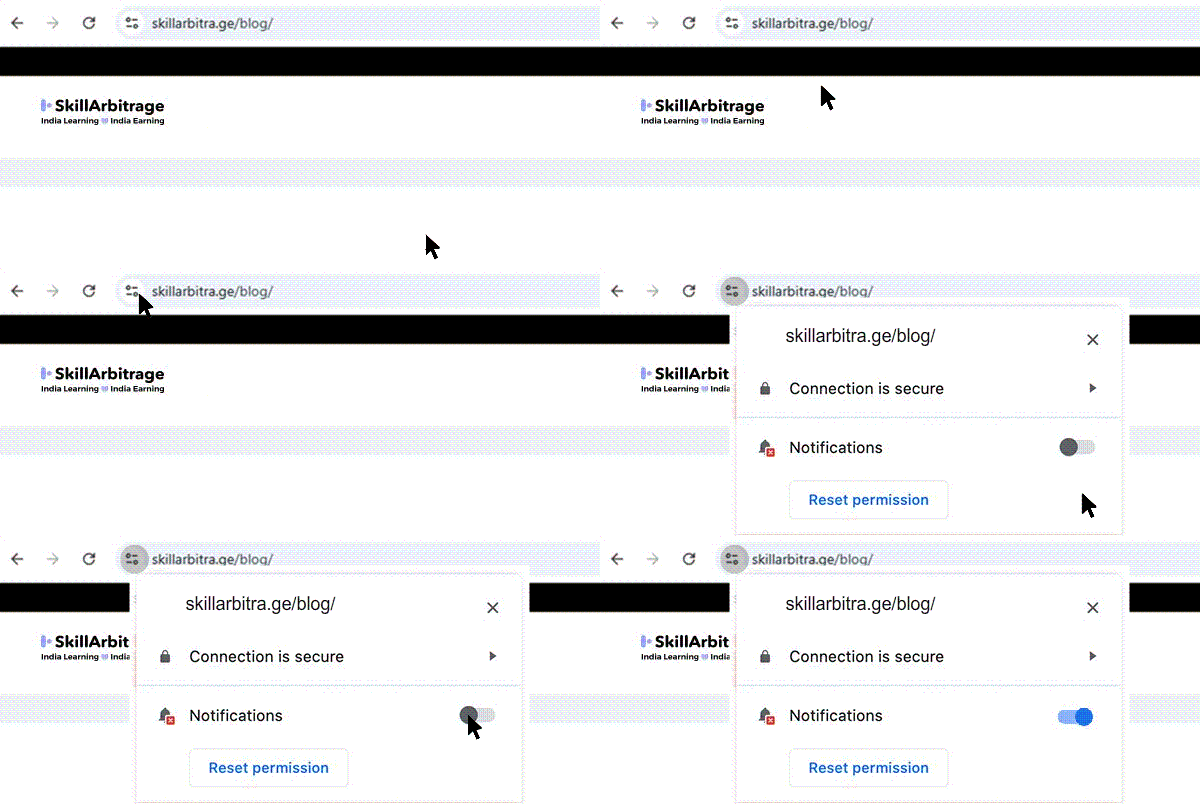
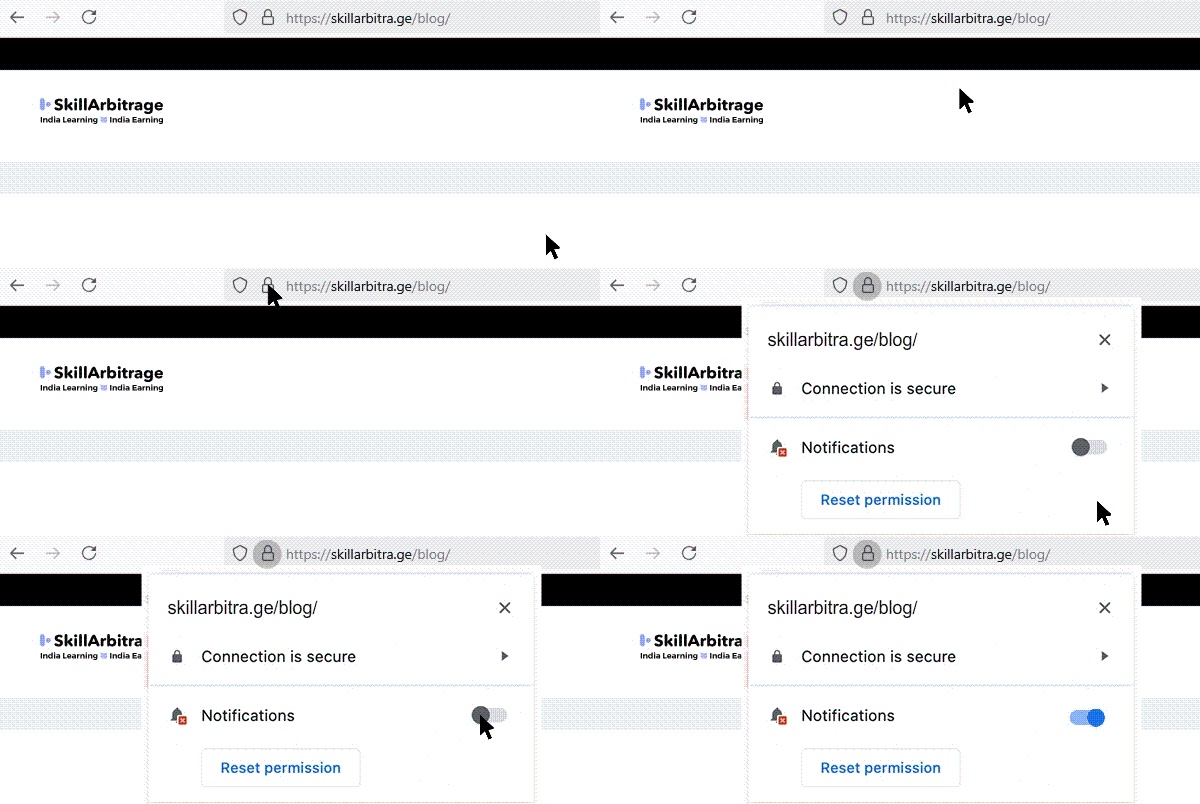
It’s incredible how remote work can provide opportunities for individuals to earn beyond the local salary range, especially with the right skillset and platform presence. Building a solid track record seems like an essential step to stand out in a competitive market. Do you have any suggestions on how to start creating a portfolio if you’re just getting started?